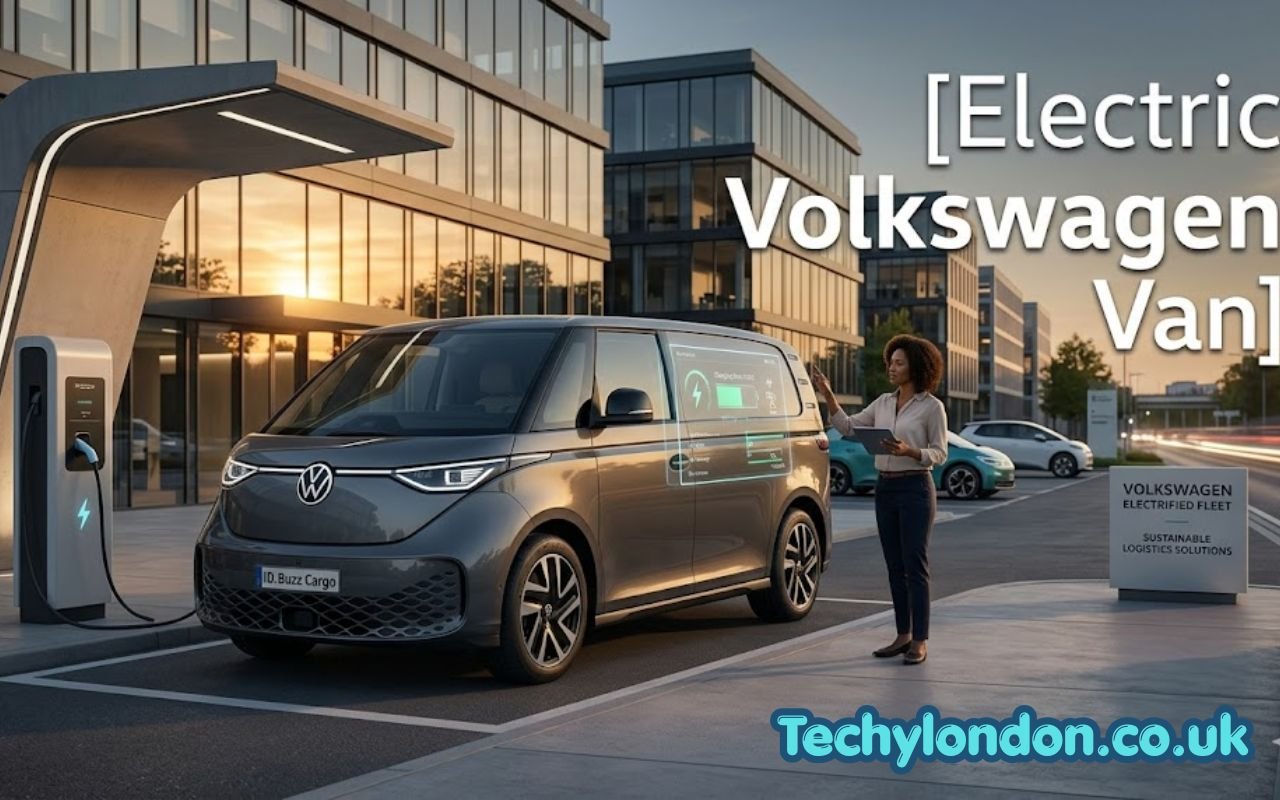
The electric Volkswagen van has become one of the most talked-about vehicles in the modern automotive market. As the United Kingdom continues its transition towards cleaner transportation, electric vehicles are rapidly moving from niche products to mainstream solutions. Among the growing range of electric vans and people carriers, Volkswagen has positioned itself as a leading manufacturer by combining its rich heritage with innovative electric technology.
For decades, Volkswagen vans have represented practicality, reliability, and versatility. From the iconic camper vans of the past to today’s advanced electric models, the brand has consistently adapted to changing customer needs. The latest electric Volkswagen van models continue this tradition while addressing environmental concerns, rising fuel costs, and stricter emissions regulations.
Whether you are a business owner seeking to reduce operating expenses, a family looking for a spacious electric vehicle, or an enthusiast interested in sustainable transport, understanding the electric Volkswagen van is essential. This comprehensive guide explores everything from technology and performance to ownership benefits, charging solutions, and future developments.
The Evolution of the Volkswagen Van
Volkswagen’s journey in van production stretches back more than seventy years. The original Volkswagen Type 2 became one of the most recognisable vehicles ever produced. Its distinctive design, practical layout, and adaptability made it popular among businesses, families, and travellers alike.
As environmental awareness increased and governments introduced stricter emissions standards, manufacturers faced growing pressure to develop cleaner vehicles. Volkswagen responded by investing heavily in electric mobility and battery technology.
The transition from traditional combustion engines to electric powertrains marked a significant milestone. Rather than simply replacing the engine, Volkswagen redesigned its approach to vehicle architecture, creating platforms specifically designed for electric vehicles. This allowed engineers to maximise efficiency, improve interior space, and enhance driving performance.
The electric Volkswagen van represents the culmination of decades of experience combined with cutting-edge innovation. It preserves many of the qualities that made earlier Volkswagen vans successful while introducing features tailored to modern transportation needs.
What Is an Electric Volkswagen Van?
An electric Volkswagen van is a vehicle powered entirely by electricity rather than petrol or diesel. Instead of using an internal combustion engine, it relies on an electric motor and a rechargeable battery pack.
The most prominent example is the Volkswagen ID. Buzz, a modern interpretation of the classic Volkswagen van. Built on Volkswagen’s dedicated electric platform, it offers a blend of retro-inspired styling and contemporary technology.
Unlike conventional vans, electric Volkswagen vans produce zero tailpipe emissions during operation. This makes them particularly attractive in urban environments where air quality concerns and low-emission regulations are becoming increasingly important.
The electric powertrain delivers smooth acceleration, quiet operation, and lower maintenance requirements compared with traditional vehicles. These characteristics contribute to an improved driving experience while supporting environmental sustainability goals.
Why Electric Vans Are Growing in Popularity

The popularity of electric vans has increased dramatically in recent years. Several factors have contributed to this trend.
Environmental awareness plays a major role. Consumers and businesses are becoming more conscious of their carbon footprint and are actively seeking cleaner transportation options. Electric vans help reduce greenhouse gas emissions and support broader sustainability objectives.
Financial considerations are equally important. Although electric vehicles often have higher purchase prices, lower running costs can offset the initial investment over time. Electricity is generally cheaper than petrol or diesel on a per-mile basis, and electric powertrains require fewer maintenance interventions.
Government policies have also accelerated adoption. Incentives, tax benefits, and low-emission zone regulations encourage drivers to consider electric alternatives. Businesses operating fleets are particularly motivated to transition as they seek compliance with evolving environmental standards.
Technological improvements have further enhanced the appeal of electric vans. Increased battery capacity, faster charging speeds, and improved range have addressed many of the concerns that previously discouraged adoption.
Key Features of the Electric Volkswagen Van
One of the most appealing aspects of the electric Volkswagen van is its combination of practicality and advanced technology.
The spacious interior provides ample room for passengers, cargo, or both. The absence of a traditional engine allows designers to optimise interior dimensions, creating a more flexible cabin layout.
Digital technology is integrated throughout the vehicle. Modern infotainment systems provide navigation, connectivity, and vehicle management functions through intuitive touchscreens and digital displays.
Advanced driver assistance systems improve safety and convenience. Features such as adaptive cruise control, lane-keeping assistance, parking aids, and collision avoidance technologies help create a more confident driving experience.
The electric drivetrain delivers immediate torque, resulting in responsive acceleration. This characteristic is particularly beneficial in urban traffic conditions where frequent stopping and starting occur.
Many models also support over-the-air software updates, allowing Volkswagen to introduce improvements and new features without requiring dealership visits.
Electric Volkswagen Van Performance
Performance is often an area where electric vehicles surprise first-time drivers. The electric Volkswagen van demonstrates that practicality does not have to come at the expense of driving enjoyment.
Electric motors provide instant torque delivery. Unlike conventional engines that require time to build power, electric systems respond immediately when the accelerator is pressed. This creates smooth and confident acceleration.
The placement of the battery pack beneath the floor contributes to a lower centre of gravity. This improves stability and handling despite the vehicle’s size.
Driving comfort is enhanced by the absence of engine noise and vibrations. The result is a refined and relaxing experience for both drivers and passengers.
Regenerative braking technology further improves efficiency. When slowing down, the electric motor recovers energy that would otherwise be lost and stores it in the battery. This helps extend driving range while reducing wear on conventional braking components.
Range and Battery Technology
Range remains one of the most important considerations for potential electric vehicle buyers. Volkswagen has invested heavily in battery development to ensure its electric vans meet the needs of a wide variety of users.
Modern electric Volkswagen vans offer ranges suitable for daily commuting, business operations, family trips, and leisure travel. Real-world range depends on several factors, including driving style, weather conditions, vehicle load, and terrain.
Battery technology continues to improve, allowing manufacturers to increase energy density while reducing charging times. These advancements make electric vans increasingly practical for everyday use.
Battery management systems monitor temperature, charging patterns, and energy usage to optimise performance and longevity. This sophisticated technology helps maintain battery health throughout the vehicle’s lifespan.
For most UK drivers, the available range comfortably covers typical daily travel requirements. Many users find they only need to charge a few times per week depending on their driving habits.
Charging an Electric Volkswagen Van
Charging infrastructure has expanded significantly across the United Kingdom, making electric vehicle ownership more convenient than ever.
Home charging remains the preferred solution for many owners. Installing a dedicated home charger allows vehicles to be charged overnight, ensuring they are ready each morning.
Workplace charging is becoming increasingly common. Businesses that provide charging facilities can support employees while demonstrating commitment to sustainability initiatives.
Public charging networks offer additional flexibility. Rapid chargers located at service stations, retail centres, and public car parks enable drivers to recharge during longer journeys.
Charging times vary depending on battery size and charger capacity. Fast charging technology allows substantial battery replenishment within a relatively short period, reducing waiting times during travel.
Smart charging solutions provide additional benefits. Users can schedule charging during off-peak electricity periods, potentially reducing energy costs while supporting grid efficiency.
Benefits for UK Businesses
Businesses across the UK are increasingly adopting electric Volkswagen vans for operational and financial reasons.
Lower running costs are often a primary motivation. Electricity generally costs less than traditional fuels, particularly for high-mileage fleet operations.
Maintenance requirements are reduced because electric powertrains contain fewer moving parts. There is no need for oil changes, exhaust system maintenance, or many other routine procedures associated with combustion engines.
Corporate sustainability goals also influence purchasing decisions. Electric vans help organisations reduce emissions and demonstrate environmental responsibility to customers, stakeholders, and regulators.
Access to low-emission and clean-air zones provides another advantage. Businesses operating in cities can avoid certain charges and restrictions while maintaining efficient service delivery.
The modern appearance and innovative technology of electric Volkswagen vans can also enhance brand image, particularly among environmentally conscious consumers.
Benefits for Families and Private Owners
The electric Volkswagen van is not exclusively designed for commercial use. Families and private owners can also benefit from its versatility.
The spacious cabin provides generous room for passengers and luggage. This makes the vehicle suitable for school runs, holidays, sports activities, and everyday family life.
Quiet operation enhances comfort during long journeys. Reduced cabin noise contributes to a more relaxed travel experience, particularly for children and elderly passengers.
Flexible seating arrangements accommodate a variety of needs. Owners can adapt the interior for transporting people, equipment, or recreational gear.
Safety technology adds reassurance. Modern driver assistance systems help reduce stress and support safer travel.
For environmentally conscious households, an electric Volkswagen van offers a practical way to reduce transportation-related emissions without sacrificing convenience or comfort.
Running Costs Compared with Diesel Vans
Understanding running costs is essential when evaluating any vehicle purchase.
Electricity costs are generally lower than diesel fuel expenses, especially for drivers who charge at home during off-peak periods. This can result in significant savings over the vehicle’s lifetime.
Maintenance costs are often reduced because electric vehicles have fewer components subject to wear and failure. The absence of an engine, gearbox, and exhaust system eliminates many traditional service requirements.
Brake maintenance may also be less frequent due to regenerative braking technology.
Tax advantages can further improve the financial case for electric vehicles. Various incentives and favourable tax treatments have historically supported electric vehicle adoption in the UK.
Although purchase prices may initially be higher, many owners find that lower operating expenses help offset the difference over time.
Environmental Impact
Reducing environmental impact is one of the primary reasons for choosing an electric Volkswagen van.
Electric vehicles produce no tailpipe emissions during operation. This contributes to improved urban air quality and reduced exposure to pollutants.
When charged using renewable energy sources, the overall carbon footprint can be significantly lower than that of conventional vehicles.
Manufacturing batteries does involve environmental considerations. However, ongoing improvements in production methods, recycling technologies, and renewable energy integration continue to reduce the lifecycle impact of electric vehicles.
The shift towards electric transportation forms part of a broader strategy to achieve climate goals and create more sustainable communities.
For many individuals and organisations, choosing an electric Volkswagen van represents a practical step towards reducing environmental impact while maintaining transportation flexibility.
The Volkswagen ID. Buzz and Its Significance
The Volkswagen ID. Buzz has become a symbol of the brand’s electric future. Inspired by the iconic Microbus, it combines nostalgic design elements with advanced engineering.
Its distinctive appearance has generated widespread interest among consumers who appreciate both heritage and innovation. The vehicle successfully bridges the gap between classic styling and modern functionality.
Inside, the ID. Buzz offers a spacious, technology-rich environment designed to meet contemporary expectations. Connectivity features, digital interfaces, and intelligent assistance systems create a user-friendly experience.
The vehicle demonstrates how electric mobility can be both practical and emotionally appealing. Rather than focusing solely on efficiency, Volkswagen has created a product that captures imagination while delivering real-world utility.
This combination of character and capability has helped establish the electric Volkswagen van as a standout option in an increasingly competitive market.
Choosing the Right Electric Volkswagen Van
Selecting the right model depends on individual requirements and priorities.
Business users should consider payload capacity, daily mileage, charging access, and operational needs. Understanding these factors helps ensure the chosen vehicle aligns with practical demands.
Families may prioritise seating capacity, comfort features, safety technology, and storage flexibility. Evaluating lifestyle requirements can simplify the decision-making process.
Driving patterns also influence suitability. Drivers covering predictable routes may have different priorities compared with those undertaking frequent long-distance travel.
Budget considerations remain important. Buyers should assess both purchase costs and long-term ownership expenses to determine overall value.
Test drives provide valuable insights into comfort, performance, and usability. Experiencing the vehicle firsthand often clarifies whether it meets expectations.
Future of Electric Volkswagen Vans
The future of the electric Volkswagen van appears highly promising. Continued investment in battery technology, software development, and charging infrastructure is expected to enhance performance and practicality.
Future models may offer longer ranges, faster charging capabilities, and increased efficiency. Advances in battery chemistry could further improve energy storage while reducing costs.
Autonomous driving technologies are also likely to play an increasing role. Enhanced driver assistance systems may eventually support more advanced levels of vehicle automation.
Connectivity features will continue evolving, allowing vehicles to integrate more seamlessly with digital ecosystems and smart energy networks.
As governments pursue ambitious emissions targets, demand for electric commercial and passenger vehicles is expected to grow steadily. Volkswagen’s commitment to electrification positions the company to remain a significant player in this transformation.
Common Concerns About Electric Vans
Some potential buyers still have concerns about transitioning to electric vehicles.
Range anxiety remains a common issue, although improvements in battery capacity and charging infrastructure have reduced this challenge significantly.
Charging availability is another consideration. Fortunately, the UK’s charging network continues expanding, making public charging increasingly accessible.
Battery lifespan concerns are often overstated. Modern battery management systems are designed to preserve long-term performance, and manufacturers typically provide extensive battery warranties.
Initial purchase costs can appear high. However, evaluating total cost of ownership often reveals a more favourable financial picture when fuel and maintenance savings are included.
Education and firsthand experience frequently help address misconceptions, allowing buyers to make informed decisions based on current technology rather than outdated assumptions.
Conclusion
The electric Volkswagen van represents a significant step forward in sustainable transportation. Combining Volkswagen’s longstanding expertise in van design with advanced electric technology, it delivers a compelling solution for businesses, families, and individual drivers throughout the UK.
Its strengths extend beyond environmental benefits. Lower running costs, reduced maintenance requirements, advanced safety features, spacious interiors, and impressive driving characteristics make it an attractive option across a wide range of applications.
As charging infrastructure continues to expand and battery technology advances, the practical advantages of electric vehicle ownership are becoming increasingly clear. The electric Volkswagen van stands at the forefront of this transition, offering a vehicle that honours Volkswagen’s heritage while embracing the future of mobility.
For those seeking a versatile, efficient, and forward-thinking vehicle, the electric Volkswagen van provides a powerful combination of practicality, innovation, and sustainability. As the automotive landscape continues evolving, it is likely to remain one of the most influential and desirable electric vehicles available in the UK market.
You may also read: How Globle Works