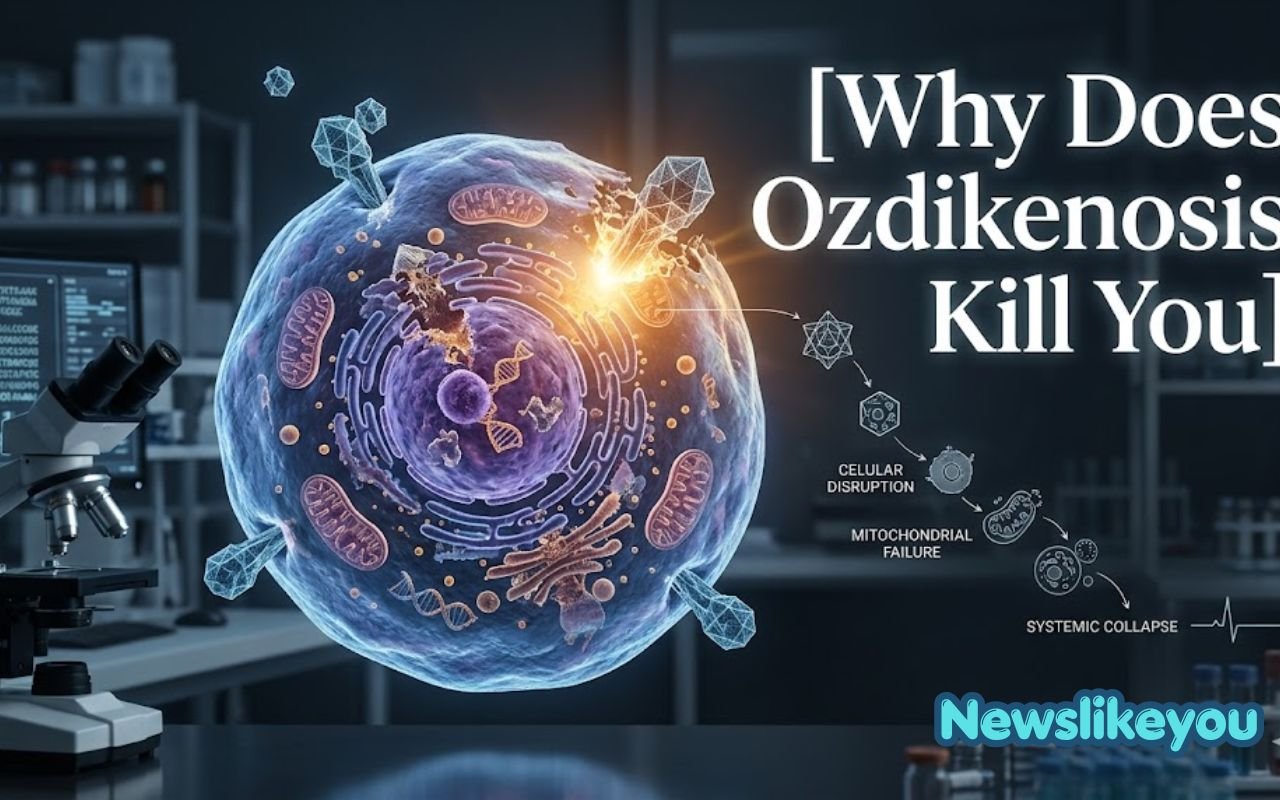
The question “why does ozdikenosis kill you” has attracted growing attention online, leaving many people searching for clear and reliable information. Whenever a medical or health-related term becomes widely discussed, it is important to separate facts from speculation. Understanding how a condition affects the body is essential for recognising its potential dangers and appreciating why severe cases can become life-threatening.
When discussing why does ozdikenosis kill you, the answer depends on the specific biological mechanisms associated with the condition. In general, any disease becomes fatal when it interferes with vital bodily functions such as breathing, circulation, neurological activity, organ performance, or immune system regulation. The progression from a manageable illness to a life-threatening situation usually occurs when these critical systems can no longer maintain normal function.
This article explores the topic in depth, examining what ozdikenosis is believed to involve, how it affects the human body, the reasons it may become dangerous, warning signs, risk factors, treatment considerations, and preventative approaches. By the end, readers will have a thorough understanding of why does ozdikenosis kill you and what factors contribute to severe outcomes.
Understanding Ozdikenosis
Before examining why does ozdikenosis kill you, it is important to understand the condition itself. Every illness follows a pattern of development that begins with an initial trigger and progresses through a series of physiological changes.
Ozdikenosis is generally discussed as a condition that affects multiple systems within the body. Rather than targeting a single organ, it may create a chain reaction that influences various bodily functions. This complexity is one reason why understanding its dangers requires a comprehensive look at the mechanisms involved.
Many diseases become particularly dangerous when they trigger widespread inflammation, impair oxygen delivery, weaken immune responses, or disrupt normal cellular processes. These effects can gradually accumulate, leading to severe complications if not properly managed.
The seriousness of ozdikenosis depends on factors such as age, overall health, immune function, genetic predisposition, and access to timely medical care. While some individuals may experience mild symptoms, others could face more severe consequences.
How the Human Body Responds to Serious Illness
To fully answer why does ozdikenosis kill you, it helps to understand how the body reacts to serious disease.
The human body is designed to maintain a state of balance known as homeostasis. Every organ system contributes to this balance. The lungs supply oxygen, the heart circulates blood, the kidneys filter waste, and the brain coordinates bodily functions.
When a disease disrupts one of these systems, the body often compensates. For example, if oxygen levels decrease, breathing rates increase. If blood pressure falls, the heart may beat faster.
However, compensation has limits. Once these protective mechanisms become overwhelmed, organ systems begin to fail. The progression from compensation to failure often marks the point at which a condition becomes potentially fatal.
This principle is central to understanding why does ozdikenosis kill you. The condition may become deadly not because of a single symptom but because of a cascade of effects that eventually overwhelm the body’s ability to adapt.
The Role of Inflammation
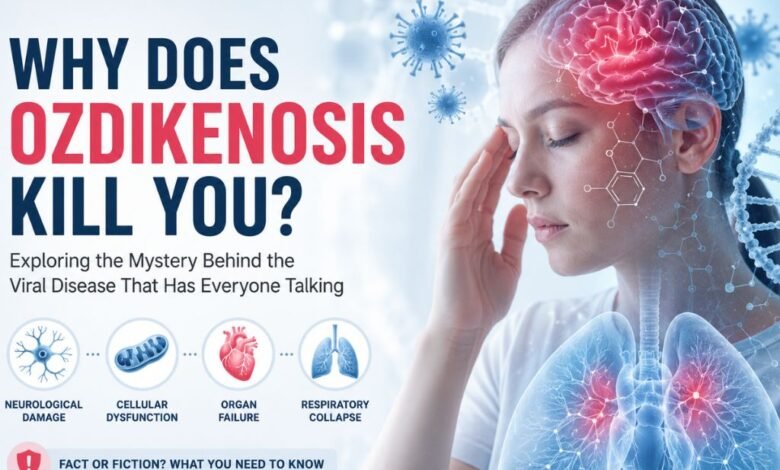
Inflammation is one of the body’s most important defence mechanisms. It helps fight infections, repair injuries, and protect against harmful substances.
However, excessive inflammation can become dangerous.
In many severe illnesses, inflammatory responses spread beyond the initial site of damage. Instead of helping the body recover, widespread inflammation begins damaging healthy tissues. Blood vessels become more permeable, fluid accumulates in tissues, and organs struggle to function normally.
If ozdikenosis triggers significant inflammatory responses, this could help explain why does ozdikenosis kill you in severe cases. Excessive inflammation may impair organ function, reduce oxygen delivery, and contribute to life-threatening complications.
The longer uncontrolled inflammation persists, the greater the risk of permanent tissue damage and organ failure.
Oxygen Deprivation and Cellular Damage
One major reason diseases become fatal is oxygen deprivation.
Every cell in the human body requires oxygen to generate energy. Without sufficient oxygen, cells begin to malfunction and eventually die.
If ozdikenosis interferes with oxygen transport or respiratory function, tissues throughout the body may suffer from inadequate oxygen supplies. This condition, known as hypoxia, can affect virtually every organ.
The brain is particularly sensitive to oxygen deprivation. Even brief interruptions can cause serious neurological consequences. The heart, kidneys, and liver also depend heavily on consistent oxygen delivery.
When people ask why does ozdikenosis kill you, oxygen deprivation may represent one of the most important answers. Once critical organs no longer receive adequate oxygen, survival becomes increasingly difficult.
Effects on the Respiratory System
The respiratory system is responsible for bringing oxygen into the body and removing carbon dioxide.
Any disease that damages the lungs or airways can significantly impact overall health.
If ozdikenosis affects respiratory tissues, individuals may experience breathing difficulties, reduced oxygen absorption, and increasing fatigue. As the disease progresses, the lungs may become less effective at exchanging gases.
In severe cases, respiratory failure can develop. This occurs when the lungs can no longer provide sufficient oxygen or remove enough carbon dioxide to support life.
Respiratory failure is among the most common pathways through which serious illnesses become fatal. Consequently, understanding respiratory complications is essential when exploring why does ozdikenosis kill you.
Cardiovascular Complications
The cardiovascular system plays a crucial role in maintaining life.
The heart pumps oxygen-rich blood throughout the body. Blood vessels distribute nutrients and remove waste products from tissues.
If ozdikenosis affects cardiovascular function, several dangerous complications may arise. Inflammation may damage blood vessels, increase clotting risks, or place additional strain on the heart.
Reduced circulation can prevent organs from receiving adequate nutrients and oxygen. Blood clots may obstruct critical vessels, potentially causing strokes, heart attacks, or pulmonary complications.
As cardiovascular dysfunction worsens, multiple organ systems become vulnerable. This interconnected nature of bodily systems helps explain why does ozdikenosis kill you when severe complications occur.
Immune System Overreaction
The immune system protects the body from threats. However, an overactive immune response can sometimes be as dangerous as the disease itself.
Certain illnesses trigger excessive immune activation. Instead of targeting only harmful agents, immune cells begin damaging healthy tissues.
This phenomenon can result in widespread inflammation, tissue destruction, and organ impairment.
When discussing why does ozdikenosis kill you, immune overreaction may be a significant contributing factor. Severe immune responses can accelerate disease progression and increase the likelihood of life-threatening complications.
Balancing immune activity is therefore often a key aspect of managing serious medical conditions.
Organ Failure as a Critical Turning Point
One of the clearest answers to why does ozdikenosis kill you involves organ failure.
Organs do not operate independently. They function as part of a highly integrated network. When one organ begins failing, others often follow.
Kidney failure can lead to toxin accumulation. Liver dysfunction can impair metabolism and blood clotting. Heart failure reduces circulation. Lung failure decreases oxygen availability.
As multiple organs become compromised, the body’s chances of recovery diminish significantly.
Multiple organ dysfunction syndrome represents one of the most serious outcomes in medicine. Once several major organs fail simultaneously, survival becomes increasingly difficult even with advanced medical care.
This progression highlights why early intervention is so important.
Neurological Consequences
The brain controls nearly every function in the body.
When diseases affect neurological tissues or disrupt blood flow to the brain, serious consequences can result.
Symptoms may include confusion, memory problems, impaired coordination, altered consciousness, or seizures.
Severe neurological involvement can interfere with breathing, heart regulation, and other vital functions. Brain swelling or reduced oxygen supply may lead to irreversible damage.
Understanding neurological complications provides another perspective on why does ozdikenosis kill you. Damage to the central nervous system can rapidly transform a manageable condition into a medical emergency.
The Impact of Delayed Treatment
Timing often determines outcomes in serious illnesses.
Many conditions respond well to treatment when detected early. However, delays can allow disease processes to progress unchecked.
As inflammation spreads, oxygen levels decline, and organ damage accumulates, treatment becomes more challenging.
People who ignore symptoms or postpone seeking medical attention may face higher risks of severe complications.
One reason why does ozdikenosis kill you in some cases may be delayed recognition and intervention. Early diagnosis often provides the best opportunity to prevent progression and improve survival prospects.
Risk Factors That Increase Severity
Not everyone experiences disease in the same way.
Several factors can increase vulnerability to severe outcomes.
Age is one of the most significant risk factors. Older adults generally have reduced physiological reserves and may struggle to recover from major illness.
Chronic health conditions such as heart disease, lung disease, diabetes, and kidney disorders can also increase risks.
Weakened immune systems may limit the body’s ability to respond effectively to disease.
Lifestyle factors, including smoking, poor nutrition, and physical inactivity, may further contribute to vulnerability.
These risk factors help explain why does ozdikenosis kill you in some individuals while others recover with fewer complications.
Common Warning Signs of Severe Progression
Recognising worsening symptoms is critical.
As disease severity increases, warning signs often become more apparent.
Breathing difficulties may indicate respiratory compromise.
Persistent chest pain could suggest cardiovascular involvement.
Severe weakness may reflect declining oxygen delivery.
Confusion or altered mental status can signal neurological complications.
Reduced urine output may indicate kidney dysfunction.
High fever that does not improve can suggest ongoing inflammation or infection.
These warning signs should never be ignored. Prompt medical assessment may prevent further deterioration and improve outcomes.
How Healthcare Professionals Manage Severe Cases
Medical treatment focuses on addressing underlying causes while supporting vital functions.
Healthcare professionals may monitor oxygen levels, blood pressure, heart activity, and organ performance.
Respiratory support may be required when oxygen levels fall.
Intravenous fluids can help maintain circulation.
Medications may reduce inflammation, control symptoms, or treat associated complications.
In severe cases, intensive care may become necessary.
The goal is to stabilise the patient, prevent further damage, and give the body the best opportunity to recover.
Understanding treatment approaches provides additional context for why does ozdikenosis kill you when interventions are delayed or ineffective.
Prevention and Risk Reduction
Preventative measures often represent the most effective strategy against serious illness.
Maintaining overall health strengthens the body’s resilience.
Regular medical check-ups help identify risk factors before complications develop.
Balanced nutrition supports immune function.
Adequate sleep promotes recovery and repair.
Physical activity improves cardiovascular and respiratory health.
Avoiding harmful substances reduces strain on vital organs.
Awareness of symptoms encourages earlier medical evaluation.
While prevention cannot eliminate every risk, it can significantly reduce the likelihood of severe outcomes.
Psychological Effects of Serious Illness
Serious medical conditions affect more than physical health.
Many individuals experience anxiety, uncertainty, and emotional stress during illness.
Fear of complications can increase psychological strain, particularly when symptoms become severe.
Family members may also experience considerable emotional challenges while supporting loved ones.
Addressing mental wellbeing is an important part of comprehensive care. Emotional support, clear communication, and professional guidance can help individuals cope more effectively with difficult circumstances.
Understanding these broader impacts contributes to a more complete picture of why does ozdikenosis kill you and how the condition affects people’s lives.
Long-Term Consequences for Survivors
Even when individuals survive severe illness, recovery may take time.
Some people experience prolonged fatigue, reduced physical capacity, or lingering symptoms.
Organ damage may require ongoing medical management.
Rehabilitation programmes often help restore strength and function.
The recovery process highlights the seriousness of conditions capable of threatening life. It also reinforces the importance of prevention, early detection, and timely treatment.
Long-term monitoring may be necessary to identify complications and support continued improvement.
Why Public Understanding Matters
Accurate information saves lives.
Misunderstandings about disease processes can delay treatment and increase risks.
Public awareness encourages people to recognise symptoms, seek medical advice, and follow recommended health practices.
When people search for answers to why does ozdikenosis kill you, they are often trying to understand both the condition and the broader principles of serious illness.
Education empowers individuals to make informed decisions and respond appropriately when health concerns arise.
The more people understand about disease mechanisms, the better equipped they are to protect themselves and others.
Conclusion
The question “why does ozdikenosis kill you” ultimately centres on the body’s inability to maintain essential functions when faced with severe disease. Whether through inflammation, oxygen deprivation, immune system overreaction, respiratory failure, cardiovascular complications, neurological damage, or multiple organ failure, the condition becomes dangerous when it overwhelms the body’s natural defences.
Understanding why does ozdikenosis kill you requires recognising that fatal outcomes rarely result from a single event. Instead, they typically emerge from a complex chain of physiological disruptions that gradually impair vital systems. The progression may involve declining oxygen delivery, widespread inflammation, organ dysfunction, and eventual failure of critical bodily processes.
Early recognition, timely medical care, and effective management remain the most important factors in improving outcomes. Awareness of warning signs and risk factors can help individuals seek assistance before complications become severe.
As with any serious health concern, knowledge is a powerful tool. By understanding the mechanisms that make illnesses dangerous, people can make better decisions, respond more quickly to symptoms, and support healthier outcomes for themselves and those around them.
You may also read: Key Features Users Expect from Websites Like IOFBodies .com