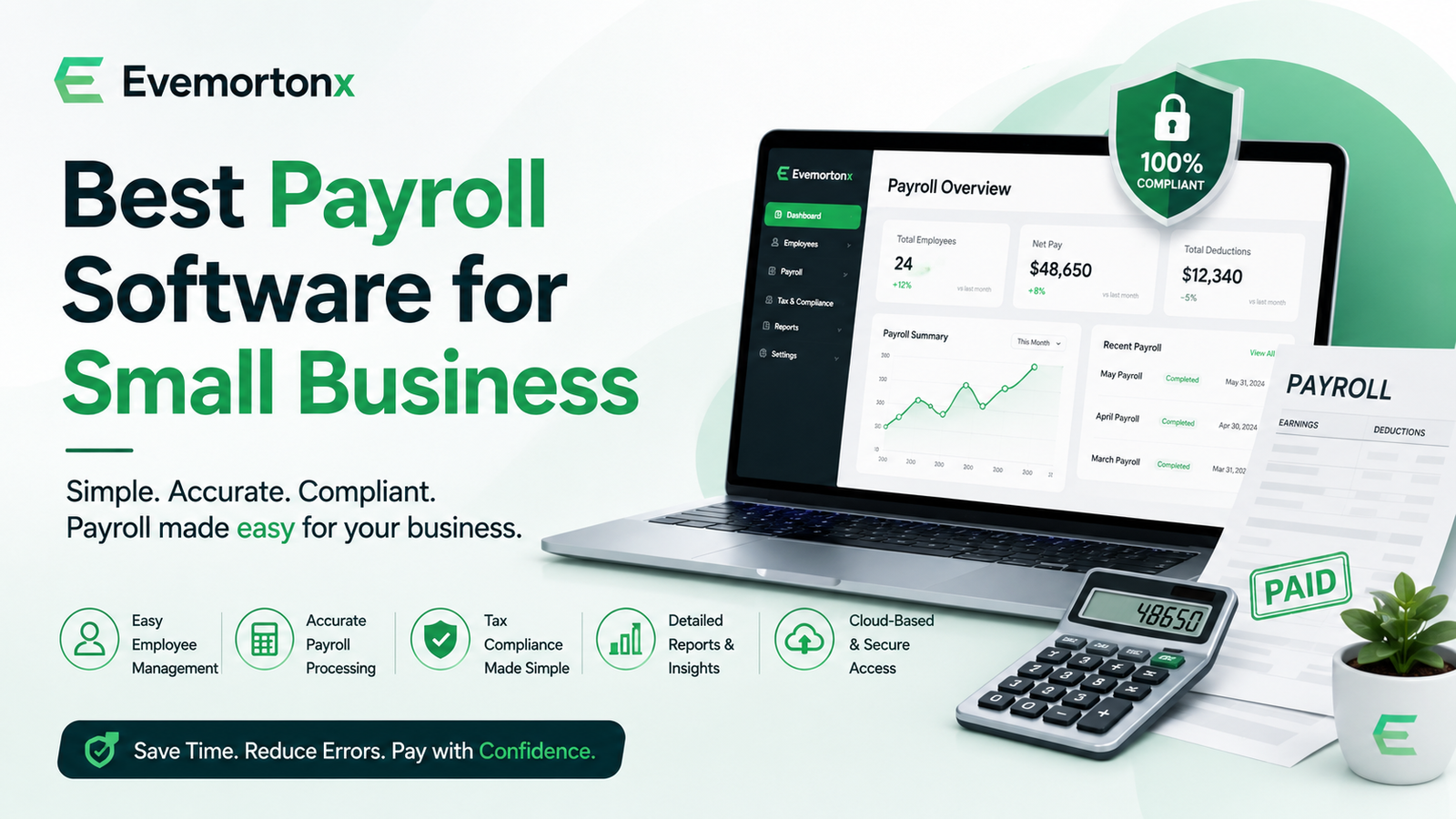
Managing payroll is one of the most important responsibilities for any business owner. Employees expect to be paid accurately and on time, while HM Revenue & Customs (HMRC) requires businesses to comply with payroll regulations, tax reporting requirements, pension contributions, and employee record keeping. For many small business owners, payroll can quickly become a complex and time-consuming task.
This is where the best payroll software for small business becomes invaluable. Modern payroll systems help automate calculations, reduce administrative work, minimise errors, and ensure compliance with UK payroll legislation. Instead of spending hours calculating wages, deductions, taxes, National Insurance contributions, and pension payments manually, businesses can use payroll software to streamline the entire process.
The UK payroll software market has evolved significantly in recent years. Cloud-based platforms now offer sophisticated features that were once available only to large organisations. Small businesses can access payroll automation, employee self-service portals, Real Time Information submissions, pension management, reporting tools, and integration with accounting software at affordable monthly costs.
Choosing the best payroll software for small business is not simply about finding the cheapest solution. Business owners must consider ease of use, compliance support, scalability, automation features, customer support, and integration capabilities. The right payroll software can save valuable time, improve accuracy, reduce compliance risks, and support long-term business growth.
This comprehensive guide explores everything small business owners in the UK need to know about payroll software. From understanding essential features to evaluating different solutions, this article will help you make an informed decision for your business.
What Is Payroll Software?
Payroll software is a digital solution designed to manage employee payments, tax calculations, deductions, pension contributions, and payroll reporting. It automates many tasks that would otherwise require manual calculations and paperwork.
A payroll system typically calculates employee wages based on salaries, hourly rates, overtime, bonuses, commissions, and statutory payments. It also determines deductions such as income tax, National Insurance contributions, student loan repayments, and workplace pension contributions.
In addition to processing payments, payroll software helps businesses comply with UK regulations. It can submit payroll information to HMRC, generate payslips, maintain employee records, and produce reports for management and auditing purposes.
For small businesses, payroll software reduces administrative burden while improving efficiency and accuracy. It enables business owners to focus on growing their companies rather than spending excessive time on payroll administration.
Why Small Businesses Need Payroll Software
Many small business owners initially manage payroll manually using spreadsheets. While this approach may work for a very small team, it becomes increasingly difficult as a business grows.
Payroll software offers several important advantages.
The first benefit is accuracy. Payroll calculations involve numerous variables, including tax codes, pension contributions, National Insurance rates, statutory payments, and employee deductions. Manual calculations increase the risk of errors, which can lead to employee dissatisfaction and compliance issues.
Time savings represent another major advantage. Payroll software automates repetitive processes, reducing the time spent on administrative tasks. Business owners can complete payroll runs much faster than with manual methods.
Compliance support is equally important. UK payroll regulations change regularly, and businesses must stay up to date with legislation. Quality payroll software providers update their systems to reflect new tax rates, thresholds, and reporting requirements.
Security is another critical factor. Payroll data contains sensitive employee information, including salaries, addresses, tax details, and bank account information. Modern payroll systems offer secure storage, encryption, and controlled access.
Scalability also makes payroll software attractive. As a business grows, payroll software can accommodate additional employees without significantly increasing administrative workload.
Understanding UK Payroll Requirements

Before selecting the best payroll software for small business, it is important to understand the key payroll obligations faced by UK employers.
Employers must register with HMRC before processing payroll. Once registered, they are responsible for calculating employee pay and deductions correctly.
Real Time Information reporting requires employers to submit payroll information to HMRC each time employees are paid. Payroll software simplifies this process by generating and submitting reports automatically.
Workplace pension enrolment is another significant responsibility. Eligible employees must be automatically enrolled into a pension scheme, and employers must make contributions according to legal requirements.
Businesses must also provide employees with accurate payslips, maintain payroll records, and comply with minimum wage legislation.
Statutory payments such as Statutory Sick Pay, Statutory Maternity Pay, Statutory Paternity Pay, and Statutory Adoption Pay must be calculated and administered correctly.
The best payroll software for small business helps employers manage all these requirements while reducing compliance risks.
Key Features to Look for in Payroll Software
When evaluating payroll software, small business owners should focus on features that deliver practical value and support long-term growth.
Automation is one of the most important capabilities. Automated calculations reduce errors and save considerable time during payroll processing.
HMRC integration is essential for UK businesses. Payroll software should support Real Time Information submissions and maintain compliance with reporting requirements.
Pension management features help businesses fulfil auto-enrolment obligations. The software should calculate contributions accurately and communicate with pension providers where necessary.
Payslip generation allows employers to create professional digital payslips quickly. Many solutions enable employees to access payslips through online portals.
Employee self-service functionality can significantly reduce administrative workload. Employees can view payslips, update personal details, and access payroll information independently.
Reporting capabilities provide valuable insights into payroll costs, tax liabilities, pension contributions, and workforce expenses.
Cloud access has become increasingly important. Cloud-based payroll software allows employers to process payroll from any location with internet access.
Integration with accounting software helps streamline financial management by synchronising payroll data with bookkeeping systems.
Customer support should not be overlooked. Reliable support can be invaluable when resolving payroll issues or understanding regulatory changes.
Cloud-Based Payroll Software Versus Desktop Solutions
One of the biggest decisions when choosing the best payroll software for small business involves selecting between cloud-based and desktop-based systems.
Cloud payroll software operates online and stores data securely on remote servers. Users access the system through a web browser or mobile application.
Cloud solutions offer numerous advantages. They provide automatic updates, remote access, enhanced collaboration, and reduced IT maintenance requirements. Businesses can process payroll from virtually anywhere and benefit from continuous software improvements.
Desktop payroll software is installed locally on a computer. While some businesses prefer maintaining direct control over their data, desktop solutions often require manual updates and local backups.
For most small businesses in the UK, cloud-based payroll software offers greater flexibility, convenience, and scalability. It aligns well with modern business practices and remote working arrangements.
How Payroll Software Improves Compliance
Compliance remains one of the most important reasons businesses invest in payroll software.
Payroll legislation can be complex and subject to frequent changes. Employers must stay informed about tax thresholds, National Insurance rates, pension regulations, and statutory payment requirements.
The best payroll software for small business automatically incorporates legislative updates. This helps ensure calculations remain accurate and compliant with current regulations.
Automated reporting reduces the likelihood of missed deadlines or inaccurate submissions. Real Time Information reports can be generated and submitted directly to HMRC.
Comprehensive record keeping supports compliance by maintaining accurate payroll histories and employee records. Businesses can access information quickly when required for audits or inspections.
Many payroll systems also provide alerts and reminders for important deadlines, helping employers avoid penalties and administrative issues.
Payroll Software for Different Types of Small Businesses
The ideal payroll software often depends on the nature of the business.
Micro businesses with only a few employees may prioritise simplicity and affordability. They need straightforward payroll processing without unnecessary complexity.
Growing businesses often require more advanced functionality, including employee self-service, reporting tools, and accounting integrations.
Retail businesses may need support for variable hours, overtime calculations, and seasonal staff management.
Construction companies often manage subcontractors, varying pay rates, and project-based labour costs.
Professional service firms typically focus on compliance, reporting, and integration with financial systems.
Hospitality businesses frequently deal with shift work, tips, overtime, and fluctuating staffing levels.
Understanding specific operational requirements helps businesses choose software that aligns with their unique needs.
The Role of Automation in Modern Payroll
Automation has transformed payroll management.
Manual payroll processes are time-consuming and prone to errors. Automation eliminates many repetitive tasks while improving consistency and efficiency.
Modern payroll software can automatically calculate wages, taxes, deductions, pension contributions, and statutory payments.
Scheduled payroll runs enable businesses to process employee payments on predetermined dates with minimal intervention.
Automated reporting reduces administrative effort and helps ensure compliance with HMRC requirements.
Employee onboarding processes can also be streamlined through automation. New employee information can be entered once and used throughout the payroll system.
Automation not only saves time but also reduces the likelihood of costly mistakes.
Payroll Software and Employee Experience
Payroll accuracy directly affects employee satisfaction.
Employees expect timely and accurate payments. Payroll errors can damage trust and create unnecessary frustration.
The best payroll software for small business enhances the employee experience by ensuring reliable payroll processing and providing transparent access to payroll information.
Employee self-service portals allow staff to view payslips, tax documents, and payment histories at their convenience.
Digital payslips improve accessibility while reducing paper usage.
Some payroll platforms also support holiday tracking, expense management, and employee communication tools, creating a more streamlined workforce experience.
A positive payroll experience contributes to employee confidence and organisational professionalism.
Integration with Accounting Software
Payroll and accounting functions are closely connected.
Without integration, businesses often need to transfer payroll information manually between systems. This increases administrative workload and creates opportunities for errors.
Integrated payroll software automatically synchronises payroll data with accounting platforms. Wage expenses, tax liabilities, pension contributions, and employer costs can be recorded accurately in financial records.
This integration improves reporting accuracy and provides a clearer picture of business performance.
Financial reconciliation becomes simpler, and management gains better visibility into workforce-related expenses.
For many small businesses, seamless integration represents a major factor when selecting payroll software.
Data Security and Payroll Management
Payroll information is highly sensitive and requires strong protection.
The best payroll software for small business includes robust security measures to safeguard employee and business data.
Encryption protects information during storage and transmission.
Multi-factor authentication adds an additional layer of account security.
Role-based permissions ensure users can access only the information relevant to their responsibilities.
Regular backups help prevent data loss and support business continuity.
Compliance with data protection regulations is equally important. Businesses should choose providers that prioritise privacy and security standards.
Strong security measures help protect both employer and employee interests.
Common Payroll Challenges for Small Businesses
Small businesses often face several payroll-related challenges.
Limited resources can make payroll administration difficult, especially when business owners handle multiple responsibilities.
Changing legislation creates ongoing compliance concerns.
Employee classification issues may arise when managing full-time staff, part-time employees, temporary workers, and contractors.
Manual processes increase the risk of calculation errors and missed deadlines.
Business growth can strain existing payroll systems, requiring more scalable solutions.
Payroll software addresses many of these challenges by automating processes, improving accuracy, and supporting compliance.
Cost Considerations When Choosing Payroll Software
Cost is an important factor for small businesses, but it should not be the only consideration.
The cheapest solution may lack essential features, while the most expensive option may include unnecessary functionality.
Businesses should evaluate total value rather than focusing solely on subscription fees.
Time savings can generate significant returns by reducing administrative workload.
Improved accuracy helps prevent costly payroll errors and compliance penalties.
Scalability ensures software remains suitable as the business grows.
Customer support, security, and integration capabilities also contribute to overall value.
Investing in the right payroll software often delivers long-term benefits that outweigh initial costs.
Future Trends in Payroll Software
Payroll technology continues to evolve rapidly.
Artificial intelligence is beginning to play a larger role in payroll automation and error detection.
Advanced analytics provide deeper insights into workforce costs and payroll trends.
Mobile accessibility is becoming increasingly important as employers and employees expect greater flexibility.
Enhanced employee self-service capabilities continue to improve user experiences.
Integration across business systems is expanding, creating more connected operational environments.
Cloud technology remains the dominant model, offering continuous innovation and scalability.
As payroll software becomes more sophisticated, small businesses gain access to tools that were previously available only to large enterprises.
How to Select the Best Payroll Software for Small Business
Choosing the right payroll software requires careful evaluation.
Business owners should start by identifying their specific needs and priorities. Factors such as employee numbers, payroll complexity, compliance requirements, and growth plans should be considered.
Ease of use is essential. A system should be intuitive enough for regular payroll administration without extensive training.
Compliance capabilities must align with UK regulations and reporting obligations.
Integration options should support existing accounting and business systems.
Customer support quality should be assessed through reviews, demonstrations, and provider information.
Scalability ensures the software can accommodate future expansion.
Free trials and demonstrations can provide valuable insights into usability and functionality before committing to a solution.
Taking a structured approach helps businesses make informed decisions and maximise value.
Conclusion
Finding the best payroll software for small business is one of the most important decisions a UK business owner can make. Payroll affects employee satisfaction, regulatory compliance, operational efficiency, and overall business performance.
Modern payroll software offers far more than simple wage calculations. It provides automation, compliance support, employee self-service, reporting capabilities, accounting integration, and enhanced security. These features help businesses save time, reduce errors, and focus on strategic growth rather than administrative tasks.
As payroll regulations continue to evolve, relying on manual processes becomes increasingly risky and inefficient. Investing in a reliable payroll solution allows businesses to stay compliant while improving productivity and accuracy.
The best payroll software for small business is ultimately the one that aligns with the organisation’s size, industry, budget, and future ambitions. By carefully evaluating features, scalability, security, support, and ease of use, small business owners can select a solution that supports both immediate needs and long-term success.
In an increasingly digital business environment, effective payroll software is no longer a luxury. It is a fundamental tool that helps small businesses operate professionally, meet their legal obligations, and build a strong foundation for sustainable growth.
You may also read: Understanding the Core Principles Behind Evemortonx